

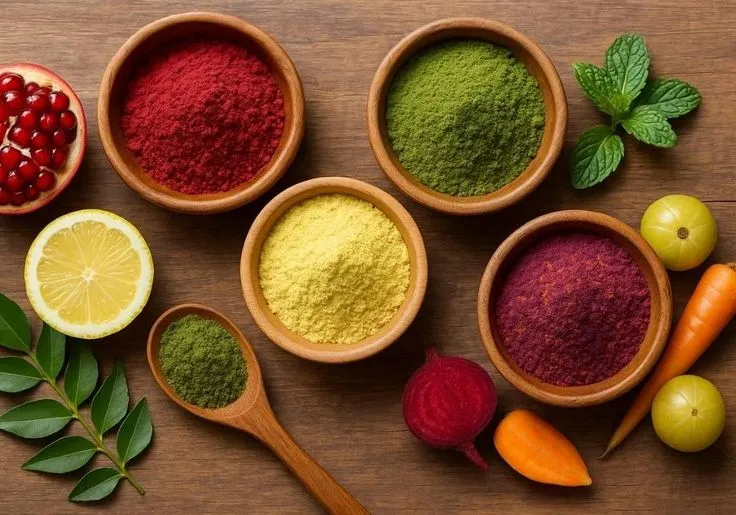
Food companies are saving recipe customizations because customers are now looking more carefully at brands during their shopping excursions. Herbal food coloring powder substitutes usually draw attention to synthetic ingredients that generally come from plant life, spices, seeds, or vegetable extracts. Annatto food coloring is not uncommon inside packaged foods that want yellow or orange colors on the outside; synthetic ingredients are listed. Snack manufacturers, dairies, and bakery manufacturers are all now often looking to natural alternatives. Ingredient transparency: Additional issues as shoppers often associate a simple label with cleaning product expectations.
Powder-Based Colors Help During Industrial Production Processes
Large factories usually opt for dry components because coping with liquid colors leads to concerns about extra garbage and mixing later. Herbal foods and powdered products generally survive too elaborate production cycles and are simpler to measure. Some growers prefer annatto meal color powder because it mixes quite well with spice blends, baking pre-mixes, and dairy products. However, moisture changes things during storage, as powdery substances can also clump under humid storage conditions. Manufacturing teams usually look carefully at distribution before scaling industrial manufacturing operations further.
Heat stability matters during cooking and packaging stages
Many packaged meals bypass heating devices before reaching stores in international specialty delivery markets. The description of the annatto meal plays quite nicely with many heated food temptations with cheese sauce, baked snacks, and processed dairy products. Companies use herbal color powder elements yet carefully compare the color balance during roasting, baking, or pasteurization steps. Some natural pigments fade under aggressive processing temperatures or extended light exposure afterward. Product developers therefore compare multiple batches before finalizing recipe specifications for commercial manufacturing purposes.
Clean Label Demand Keeps Influencing Ingredient Selection Decisions
Consumer buying habits changed noticeably during recent years because ingredient awareness spread rapidly through online discussions everywhere. Many food businesses now replace artificial shades with natural food coloring powder alternatives for broader market acceptance. Annatto food color seems to be widely marketed with clean ingredient placement in all supermarkets and specialty grocery stores. Some companies also reduce unnecessary additives alongside switching color systems completely. Packaging design and ingredient declarations now influence customer trust almost as strongly as flavor expectations during purchase decisions.
Different Food Categories Need Different Coloring Performance Levels
Every recipe behaves differently because ingredients interact through moisture, acidity, fat content, and processing temperatures continuously. Natural food coloring powder products, therefore, require compatibility testing before manufacturers approve large production quantities officially. Annatto food coloring works well primarily due to the fact that foods rich in visceral fat disperse the pigment well through dairy-product-primarily-based formulas of oils. Beverage applications also require specific stabilization strategies that rely on acidity and shelf-survival issues for some time. The technical effort allows for inconsistencies to be reduced over time during long repeated production runs.
Supplier Documentation Helps Businesses Maintain Regulatory Compliance
Food companies typically request technical paperwork before approving components for manufacturing or export distribution operations worldwide. Reliable suppliers providing herbal food coloring powder almost at once present percent technical sheets, preservation statistics, and a business guide with buyers. Annatto food shade suppliers can also provide application guidelines primarily based on food grade needs and current energetic local regulations. Different countries sometimes apply separate labeling standards for natural ingredients depending on the extraction methods involved. Regulatory awareness therefore supports smoother product approvals and commercial distribution planning later.
Conclusion
Natural ingredient trends continue affecting food manufacturing because buyers increasingly expect simpler and more familiar product labels today. foodrgb.com provides useful information for businesses researching coloring ingredients, application methods, and practical manufacturing considerations across different food categories. Annatto food color remains widely used because it delivers reliable yellow and orange shades within many processed food applications commercially. Choosing the correct natural food coloring powder solution still depends on recipe compatibility, storage conditions, and production requirements during development stages. Businesses should review technical specifications carefully and consult experienced suppliers before finalizing large-scale production decisions.