

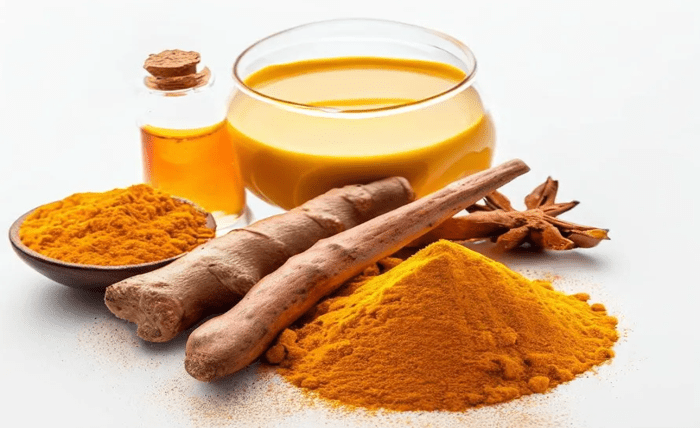
Food product development often relies on color to affect the appearance, consistency and adherence to the product’s concept. Curcumin is a naturally occurring pigment and is widely investigated for using in food applications for a yellow hue. The correlation between Curcumin Color and curcumin manufacturer options can assist product developers in assessing the ingredients better and creating formulations based on their needs.
Understanding Curcumin as a Color Source
Curcumin is a natural component of turmeric and is known for its characteristic yellow color. It is an intriguing addition to products being manufactured for a warm yellow or golden color, for instance.
Final appearance will vary based on concentration, formulation, processing conditions and surrounding food matrix. Before deciding on a possible use of a curcumin ingredient for a product, manufacturers can start by choosing the color they want in their product.
This is a more streamlined platform to begin formulation trials.
Exploring Food Applications
The use of curcumin as a colorant can be used in various categories of food products, if the color used is in the yellow range and is in line with the product concept. Selected beverages, sauces, confectionery, bakery products, desserts and other formulations may be suitable applications.
There are different qualities to each application. The intensity needed in a beverage could be different from that in a sauce or confectionery product, and a bakery formulation could have more steps in the process.
The manufacturer can conduct the test to see how the color would behave in the food matrix intended for the product, to gain insight into how the color would look in the finished product.
Working With a Curcumin Manufacturer
Selecting a fitting curcumin manufacturer might be a vital element in sourcing ingredients. Product specifications, formats, application details, technical documentation and supply details can be viewed by manufacturers.
The clear product information enables the development team to understand how an ingredient can fit into their formulation. Through sampling, actual information on color intensity, dispersion and incorporation can then be provided.
When assessing the different ingredients available, businesses can also be able to communicate their planned application and production needs.
Evaluating Curcumin Color
The color effect of Curcumin Color should be evaluated in the actual food formulation. Appearance of a sample may differ from the final appearance when combined with other ingredients.
The developer can make a small batch of product using the recipe he is planning on using, and then test the various concentrations. This helps them to determine an appropriate shade and to see if the color is distributed evenly throughout the product.
Testing side-by-side may be helpful to compare samples and set a target appearance for future manufacturing.
Consider the Food Matrix
The colors can also be affected by the surrounding food ingredients. Moisture, acidity, fat content, texture and ingredient content can all influence the appearance of the yellow shade.
If these factors are important to a manufacturer’s intended formulation, they can be reproduced during the development of the formulation so that it can test these factors simultaneously. This provides product developers with a better understanding of the performance of the ingredient in realistic conditions.
A product-specific approach can also help teams decide if concentration or application technique changes are warranted.
Review Processing Conditions
Mixing, heating, baking, cooling, freezing, drying, or filling are all processes that can be used in food manufacturing. The above-mentioned stages can be taken into consideration for the formulation of a color using curcumin.
As trials are conducted, key processes can be recreated to see the final product. The addition stage and mixing process can also be assessed to ensure distribution.
The storage conditions can be reconsidered during the development process, especially if the product has specific storage conditions defined.
Select the Appropriate Format
Depending on the source and use, ingredients may be purchased in various colors. Formulated as powders or liquids, manufacturers may choose the type that best fits their equipment, formulation, moisture content and method of incorporation.
The format chosen should be compatible with the current production process. Practical testing can be used to determine the ease of measurement, mixing and dispersion of the ingredient.
There are also technical data that can further aid in choosing an appropriate format.
Establish Consistent Production
As the preferred ingredient is determined to be curcumin, the manufacturer can record the concentration, time of addition, mixing process, process conditions and shade to be aimed at.
These details can be incorporated into the product specification and aid the production team when making multiple batches of the product with the same look.
A consistent process also offers a handy reference for future products that are similar in terms of color characteristics that need yellow or golden tones.
Conclusion
Curcumin is an interesting naturally derived ingredient for manufacturers that are using suitable food applications to get a yellow and golden hue. Developers can design a viable approach to color selection, taking into account color source, formulation, food matrix, food processing conditions, and ingredient format and supply requirements. If you are trying to find a food color solution for your next formulation based on curcumin, check out foodrgb.com to find a solution that will work for your product and keep your product development process going.